

Soybean growers are facing numerous challenges; stringent global regulations impacting the development of new active ingredients for crop production, low commodity prices adversely affecting profitability, and pest resistance to synthetic fungicides. Innovative Biosolutions are new tools to enable growers to meet these challenges and provide sustainable crop production.
Bionutrition
Maximizing the genetic potential of soybean varieties from planting to harvest is required for high-quality yields. Rhizobia and Bradyrhizobia species, contained in GraphEx seed treatments, have a unique relationship with soybeans. When soybean seeds germinate, the bacteria inhabit the root hairs of the seedlings and begin to multiply. These soil-dwelling bacteria have the ability to penetrate soybean roots, which respond by building nodules to house them. The bacteria fix nitrogen in symbiosis with the soybean roots, which provide other nutrients and sugar. Utilizing GraphEx as seed treatment provides a positive impact on early season root development, plant vigor, and nutrition for rapid emergence and consistent, uniform plant stands and higher yields.
Plant Nutrition/Biostimulant
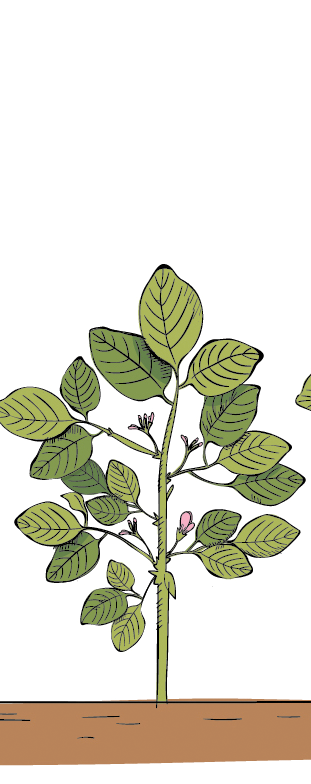
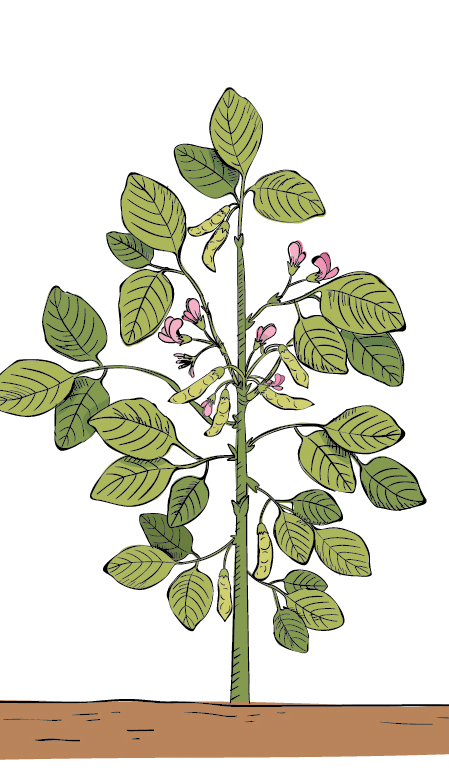
During key vegetative and reproductive stages in a soybean’s life cycle, environmental (abiotic stresses) can negatively affect soybean vigor, flower retention, and pod set. Researchers have demonstrated that these abiotic stresses such as too much or lack of water, wind desiccation, hail, nutrient deficiencies, herbicide damage, frost, and salinity to name a few, are directly correlated to a 50% reduction in yield. Smartfoil® biostimulant applied at a vegetative stage with a second-pass herbicide application reduces plant stress and improves vigor and again at key reproductive timings of R1-R3 improves pod set, pod fill, and yield with a positive return-on-investment.

Biocontrol
The incorporation of a fungicide application during reproduction protects against yield robbing pathogens. The battle against devastating diseases and pathogens such as soybean rust, white mold, Cercospora blight, downy mildew, frogeye leafspot, sudden death syndrome, and brown stem rot impact soybean growth and yield. The integration of fungicides into a crop production program has become an essential tool to profitability grow soybeans. The incorporation of Romeo®, a biological fungicide, into a disease control program provides growers with an innovative tool to maximize disease control for higher yields while practicing environmental stewardship and sustainability.