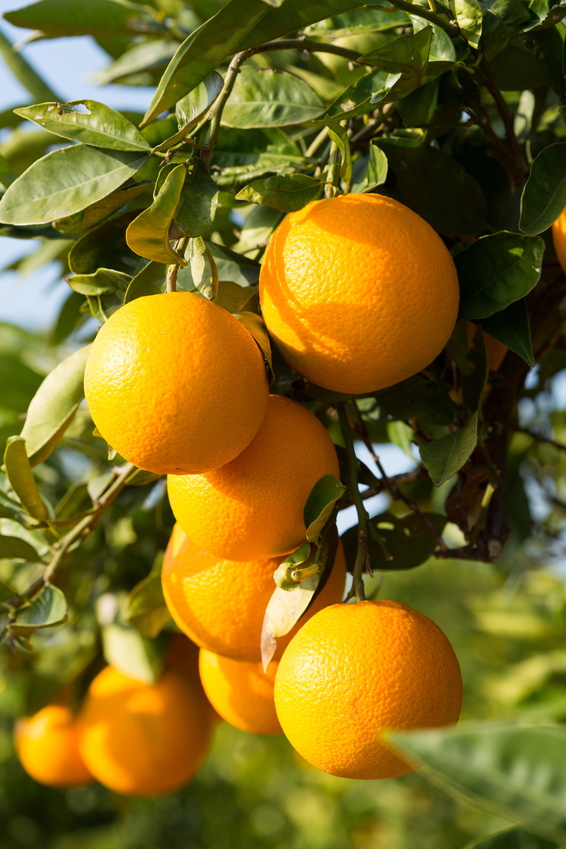
Biocontrol and biostimulation in arboriculture
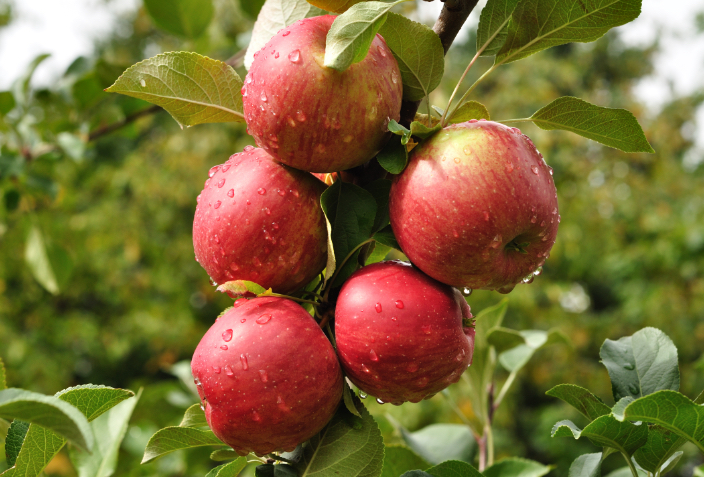
Limiting crop protection residues in arboriculture is a critical issue, reinforced by the demands of the industry's customers and the expectations of consumers. Biocontrol and biostimulation solutions must take into account arboriculturists' technical and economic performance constraints: yield, taste and visual quality of fruit. The micro-organisms used in biocontrol or biostimulation provide arboriculturists with a concrete solution for protecting their crops, and guaranteeing them a high-quality harvest.
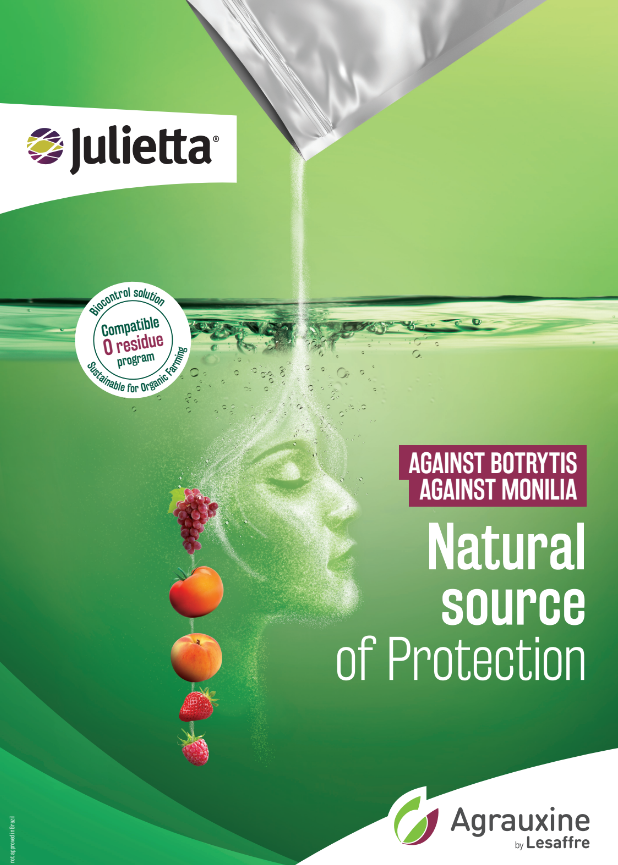
Orchard diseases (Botrytis, Powdery Mildew, Scab, Chancre)
Orchard pathogens are active throughout the vegetative cycle, from budburst to harvest. Certain crops are protected throughout the cycle to guarantee standardized fruit for the industry and consumers, while respecting Maximum Residue Limits (MRLs).
Agrauxine is already involved in the development of new biocontrol solutions based on or derived from micro-organisms (fungi and yeasts) that can be integrated into arboriculturists' usual treatment programs.
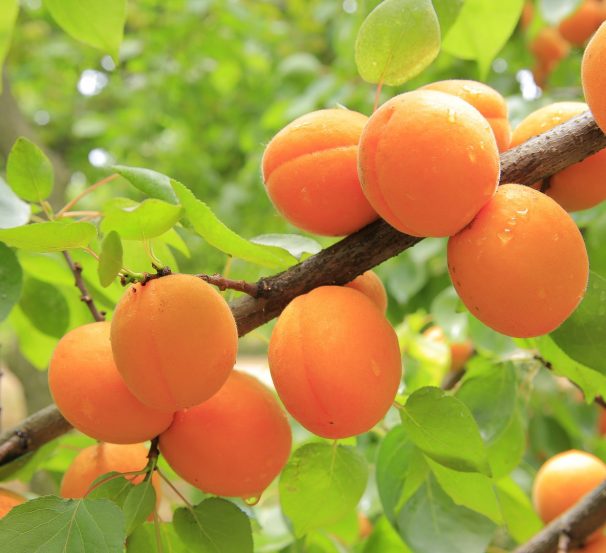
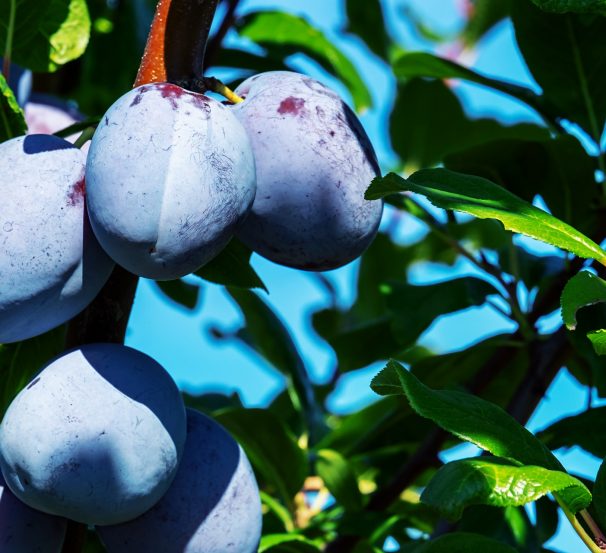
Post-harvest" storage diseases
Some fruit sectors (citrus, bananas, apples, etc.) are characterized by numerous stages from harvesting to the point of consumption (storage, transport, store shelving, etc.) which can alter the appearance of the fruit. To maintain their quality, it is important to be able to protect them durably and effectively, while respecting consumer health. Yeast-based products are particularly well suited to post-harvest fruit protection.
Biostimulants, new technologies for arboriculturists
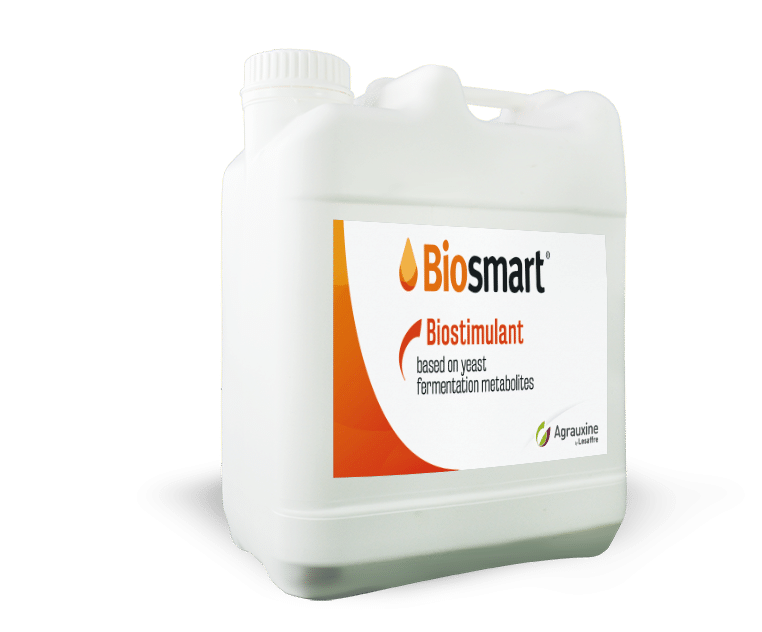
Micro-organisms used in crop biostimulation have positive effects on fruit yield and quality.
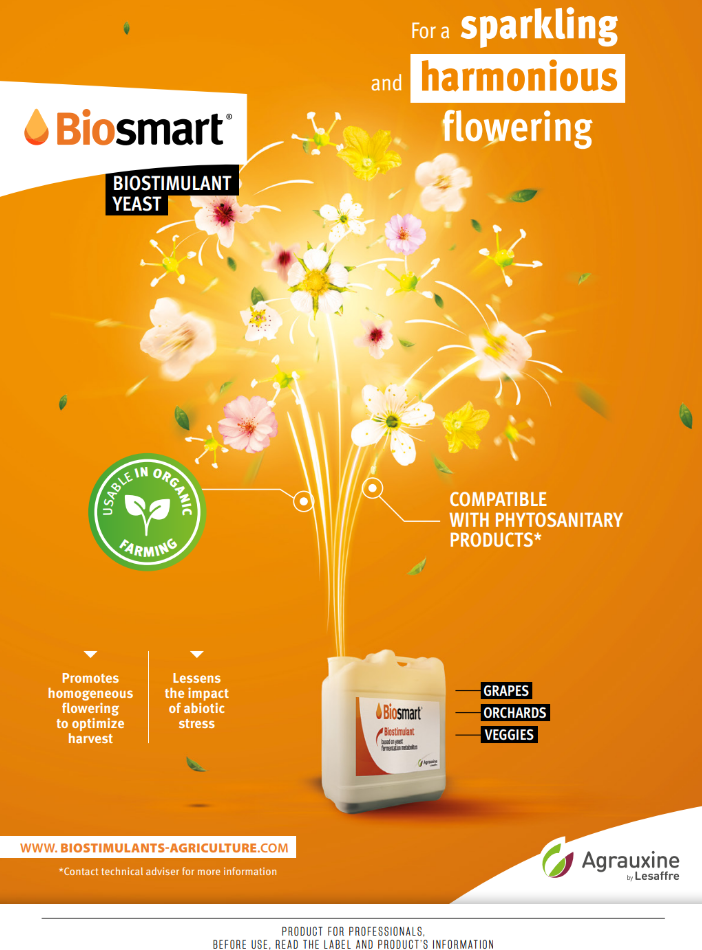
Their direct interaction with plant physiology stimulates growth, vitality and fruit set. These properties bring tangible benefits to yield components such as number of flowers, earliness, fruit weight and size, color and sugar content.
These products limit the effects of abiotic stress (heat, lack of water, cold, etc.) on the marketable crop: fruit bursting, size heterogeneity, flower abortion and fruit set.