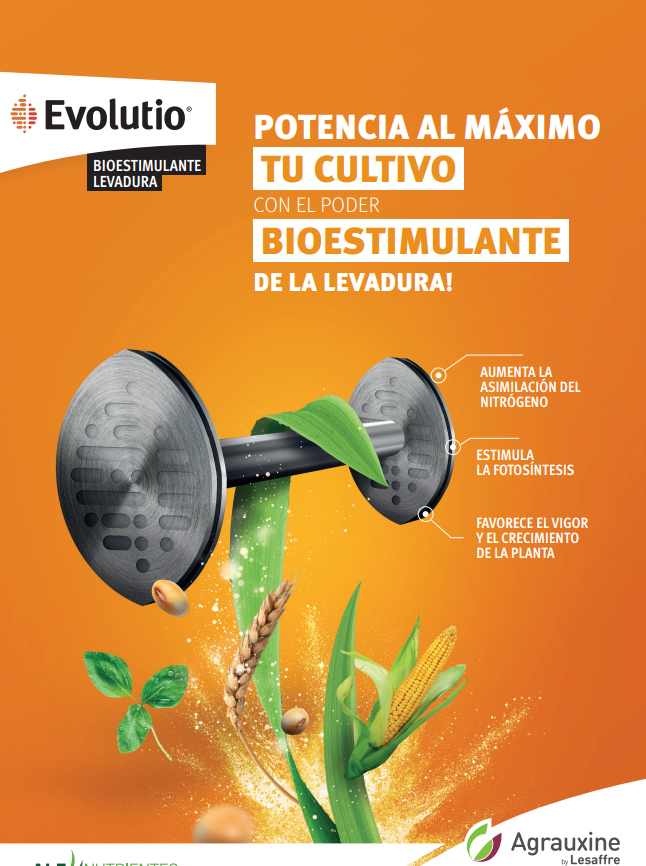


Biostimulation and biocontrol for row crops
To meet the challenges of a growing population, while preserving our environmental resources and promoting sustainable development, farming practices and systems are evolving. Ensuring high yields while reducing inputs means finding alternatives in terms of crop protection and nutrition. This evolution in practices is made possible by the integration of micro-organisms into current technical itineraries. These new strategies take account of environmental and societal expectations, while preserving high-performance agriculture that is less dependent on chemical inputs.
Reduce chemical inputs with biocontrol products
High yields require precise crop monitoring (Decision Support Tools, Plant Health Bulletin) in terms of fertilization and phytosanitary treatments. Theuse of biocontrol products in combination with or in place of conventional pesticides is booming. Yeast-based products are currently integrated into protection programs around the critical stages of flowering, heading and pod formation. These alternatives are being developed for major uses such as septoria in wheat and Asian rust in soybeans, and help to slow down the emergence of resistance.


Biostimulants: natural alternatives to secure yields
By stimulating row crops at key stages in their development, products derived from micro-organisms help boost yields. Plants and micro-organisms work in synergy in the rhizosphere to optimize the use of available soil resources. Biostimulants rich in amino acids and fermentation metabolites secure flowering under conditions of abiotic stress and facilitate the migration of reserves to seed.
The benefits of biostimulants derived from micro-organisms on rowcrops:
- Soybean: Resistance to water stress and reduced abortion
- Corn: Starter effect and better fertilization
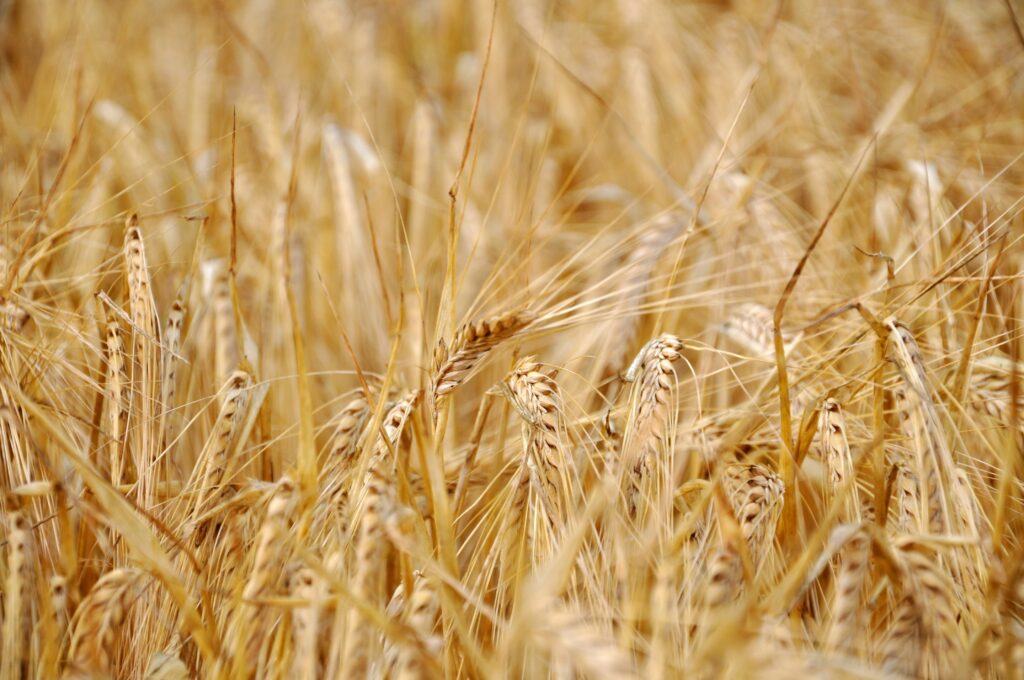
- Wheat: Increased protein content and yield, resistance to scalding and heading.
Climatic stress during rapeseed flowering and pod protection with a biostimulant
In many countries around the world, rapeseed is a very important crop, cultivated for the extraction of oil with multiple uses. It is widely used in the food industry, appreciated for its nutritional qualities, being rich in beneficial unsaturated fatty acids. It also has applications in the chemical industry and in the production of biofuels, contributing to the energy transition, as well as in animal feed.
Oilseed rape represents a major economic activity, and achieving higher yields is becoming increasingly difficult under restrictive climatic conditions imposing abiotic stresses such as water shortage or inadequate temperatures. Biostimulants are powerful tools for enhancing plant nutritional processes, irrespective of their mineral content, improving plants' ability to cope with these abiotic stresses.
Applying biostimulants during rapeseed flowering (BBCH 60-65) helps plants reduce flower abortion caused by drought or high temperatures. The compounds contained in yeast-based products stimulate plant development by providing antioxidant action combined with molecules enabling better water balance in plant cells. More pods will be formed even in adverse weather conditions, ensuring good yields and contributing to stronger agriculture, with a sustainable and environmentally-friendly solution.


Sclerotinia, a major threat to rapeseed crops
Sclerotinia sclerotiorum is a major phytosanitary concern for rapeseed growers. This ascomycete fungus can seriously compromise the sustainability of oilseed crops, leading to substantial yield losses. Its infectious cycle involves the formation of persistent sclerotia in the soil and the production of spore-releasing apothecia. This life cycle gives it a high capacity for dissemination and survival in agrosystems.
Sclerotinia infects rapeseed via the petals. Sclerotinia spores can be deposited on petals that have fallen onto leaves or stems, providing a favorable substrate for germination and infection of plant tissues. Consequently, the risk period begins when the first petals fall (G1 stage), and this is the period adopted for protective treatment against this disease.
To combat this scourge, solutions exist to maintain a high level of healthy plants in production. The reasoned use of fungicides remains the principal means of control for farmers. However, in order to preserve the sustainability of this solution, complementary control methods are also being developed. The use of biological control methods, such as antagonistic micro-organisms capable of parasitizing sclerotia or products capable of stimulating plant defenses, is an essential lever in an integrated Sclerotinia management strategy.
Peak demand for wheat nutrients and the use of biostimulants
The global movement towards lower input use, while maintaining or improving food production, requires agricultural crops to be more efficient organisms. Biostimulants can deliver improved nutrient use efficiency, with traditional or reduced fertilizer inputs, with a direct positive impact on nutrient uptake by roots, as well as improving plant development under difficult environmental conditions.
Wheat is one of the most widely consumed cereals in the world, as a staple food for billions of people, providing an important source of carbohydrates, protein, fiber and essential nutrients. Wheat-based products, such as bread, pasta and pastries, are an integral part of many cuisines and cultural food traditions.
Beyond its role in human nutrition, wheat also has important industrial applications such as starch and gluten extraction, as well as in the manufacture of adhesives, textiles and even biofuels. Wheat's global importance is underlined by its central position in international trade and its impact on food security and economic development worldwide.
One of the agronomic challenges of efficient wheat production is the long phenological period of development of the yield components - grain, spikes and spikelets - generating multiple peaks in nutritional requirements. The use of yeast-based biostimulants during tillering, stem elongation and last leaf emission will contribute to better nutrient management and water status, enabling plants to perform better during periods of high metabolic demand, thus being more efficient in their use of resources.