Yeast, which has existed for millions of years and has since been domesticated, is now the most widely consumed microorganism in the world. But beyond its well-known role in the fermentation of bread and spirits, what do we really know about it?
What is yeast?
A microscopic, symbiotic fungus
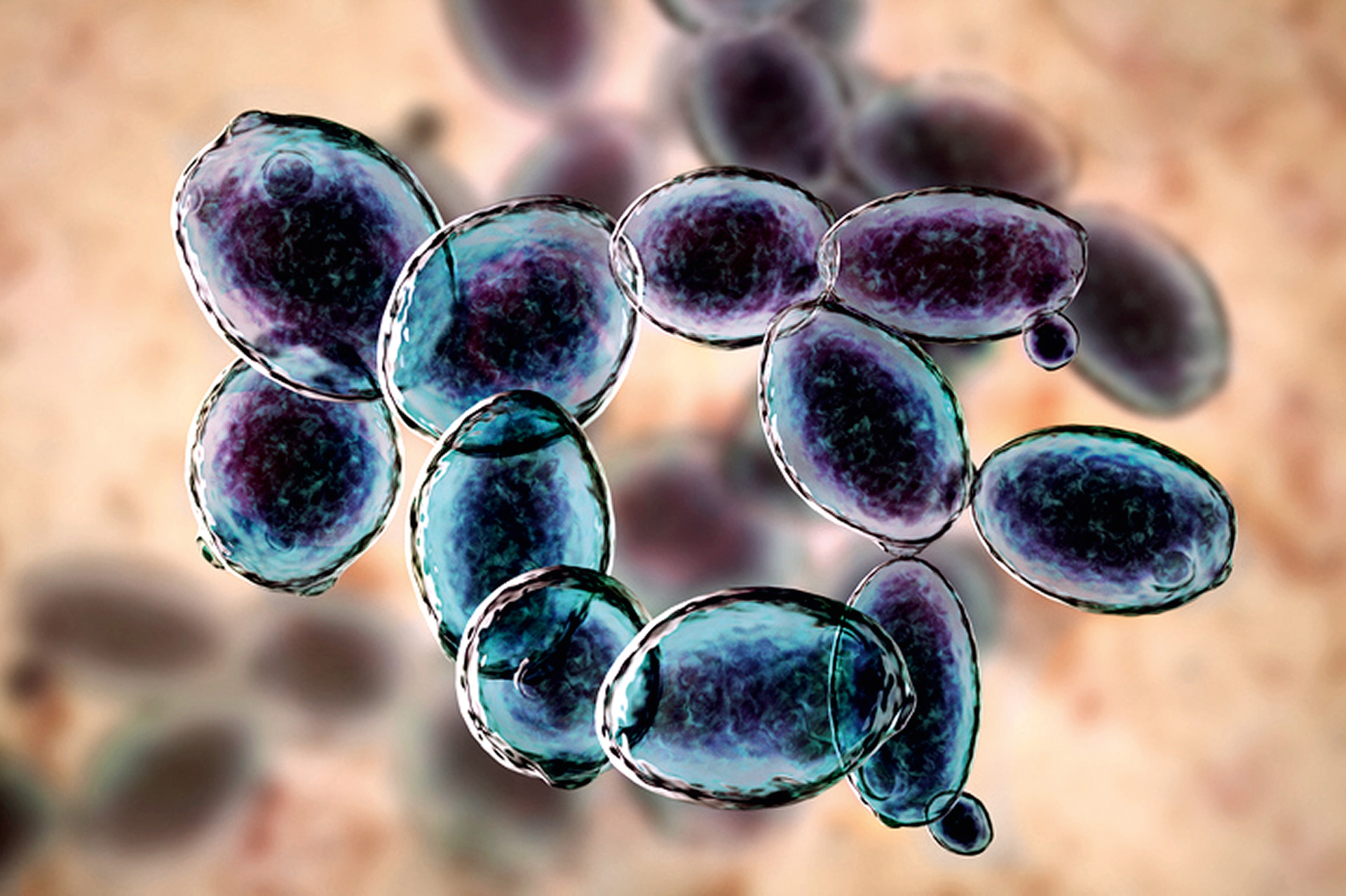
Yeasts are single-celled fungi; they differ from molds in that they are single-celled, and from bacteria in that they are more complex. These organisms are microscopic. To give you an idea, one cubic centimeter of fresh yeast can contain up to 10 billion cells. Found naturally in the environment, they can live in symbiosis with other living organisms (plants, animals, microorganisms), creating a mutually beneficial relationship.
A Little-Known Diversity
The term "yeast" actually refers to more than 2,000 identified wild species. Among them, Saccharomyces cerevisiae—known as baker's yeast or brewer's yeast—is the most widely used in industry and the most extensively studied scientifically.
But what powers does he have that make this possible?
Yeast and the Power of Fermentation
Yeasts are capable of surviving under extreme temperature or pH conditions. But what is most impressive is their ability to survive in the absence of oxygen. In fact, yeast breathes, converting air into energy and producing water and CO₂. This process promotes their rapid multiplication, which is essential for their industrial production.
However, under anoxic conditions, yeasts switch to fermentation. Using specific enzymes, they convert sugars into CO₂, alcohol, and energy. This process also produces valuable compounds such as hormones, amino acids, and aromatic molecules.
Yeast: An Ally for Well-Being
Already used in ancient Egypt for bread-making, Lesaffre has learned to harness yeast for numerous applications across a wide range of seemingly unrelated industries.
Yeast: The Cornerstone of Nutrition

Yeast is best known in the food industry for its “magic.” In bread-making, it causes the dough to rise by releasing CO₂ and aromatic compounds that give bread its unique flavor during fermentation. It is this same process that gives spirits such as wine and beer their incomparable sensory profiles.
Finally, yeast—which is rich in protein and glutamate—naturally enhances flavors, acting as a flavor enhancer in many food products, such as juices and broths.
Yeast and Its Use in Nutrition and Health
A true nutritional powerhouse, yeast provides essential amino acids, fiber, vitamins, and minerals that help address nutritional deficiencies and strengthen the immune system. Some types of yeast even help balance the gut microbiota, while other strains serve as alternatives to antibiotics for human and animal health.
Even more surprising is that yeasts contribute to agriculture by optimizing fertilization, enriching the soil, and protecting plants against diseases and environmental stress. These discoveries motivate Agrauxine to actively seek new uses for these microorganisms and to further develop its Yeast Efficiency line, while adhering to the principles of high-performance and responsible agriculture.