Biocontrol and biostimulation for vegetable cultivation
Consumers' expectations regarding the quality of fresh vegetables and their negative perception of the health risks associated with chemical residues have led to a shift in the demands of economic players and public authorities to limit the use of synthetic phytosanitary products on vegetables. The diversity of crops and production conditions in different geographical areas multiplies the technical constraints faced by growers. Biocontrol products and biostimulants derived from micro-organisms provide new solutions that meet the technical and economic expectations of vegetable growers, while limiting the use of conventional phytosanitary products.
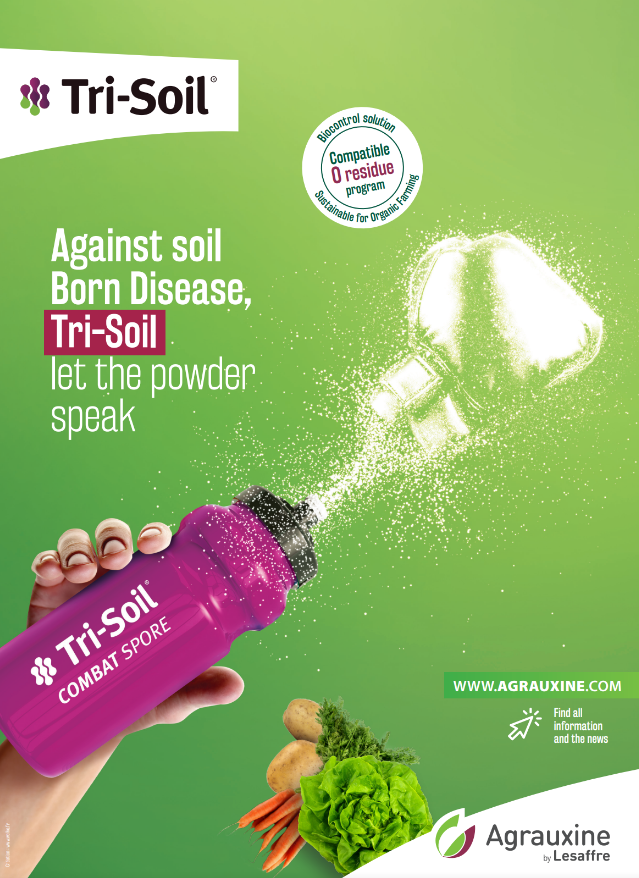
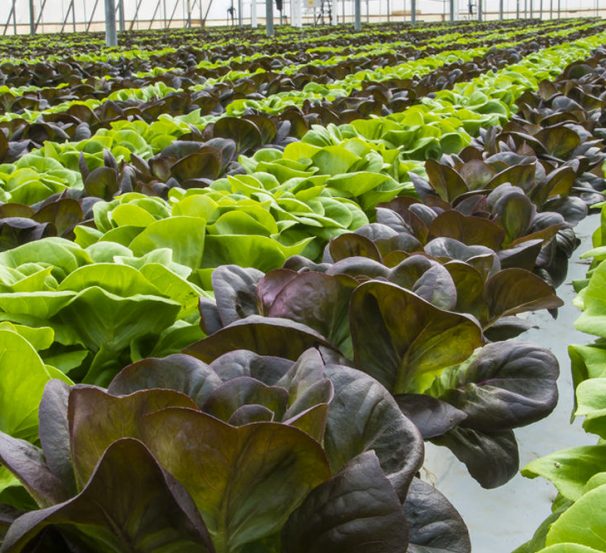
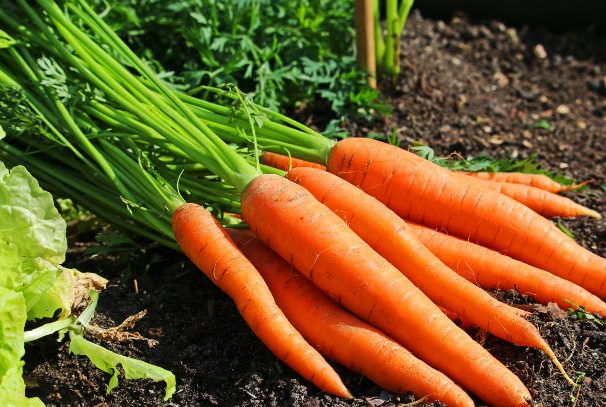
Soil-borne diseases such as Pythium in carrots or Rhizoctonia brown on lettuce
Short-rotation crops such as carrots and lettuce are more exposed to soil-borne pathogens due to the significant reduction in the use of disinfectants and, more generally, to soil fatigue. Certain biocontrol products, used regularly as a preventive measure, help to restore the microbial balance between beneficial micro-organisms and soil-borne pathogens. The use of these products can effectively improve crop health while limiting the need for synthetic products.
Foliage diseases such as Oidium, Botrytis or Mildew
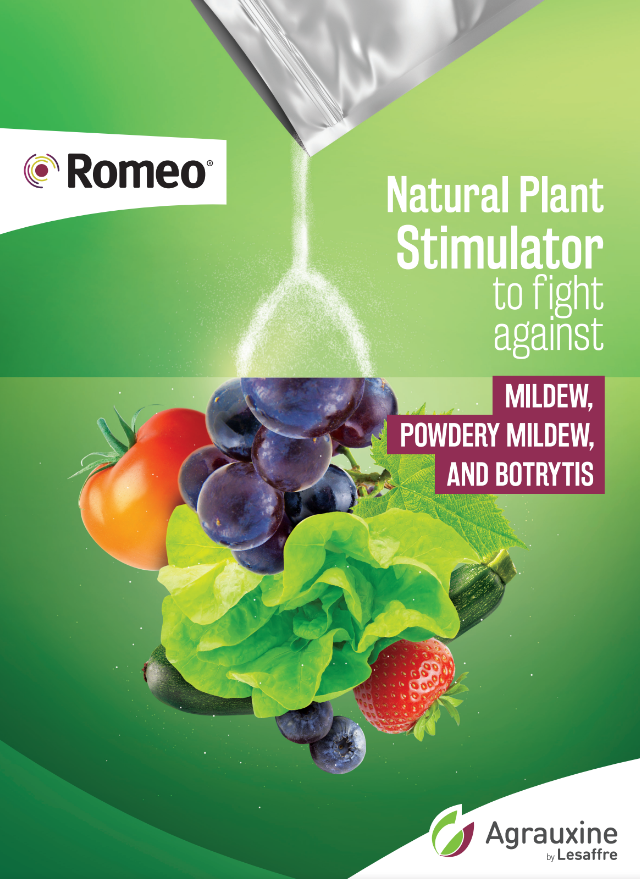
These diseases generally occur during the second half of the vegetative cycle, right up to harvest. A disease such as powdery mildew can cause significant damage to crops, leading to a deterioration in taste, or even the destruction of the harvest.
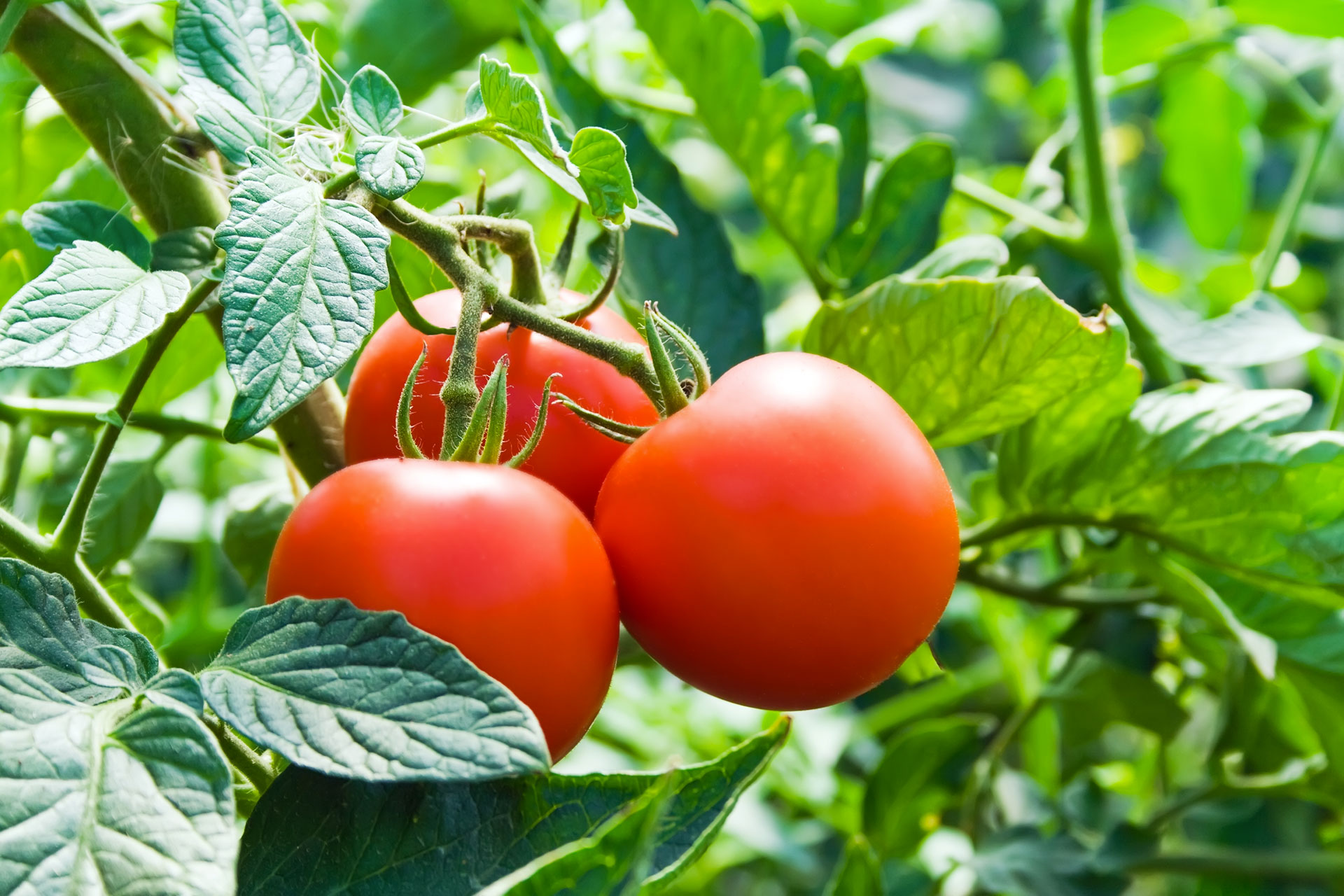
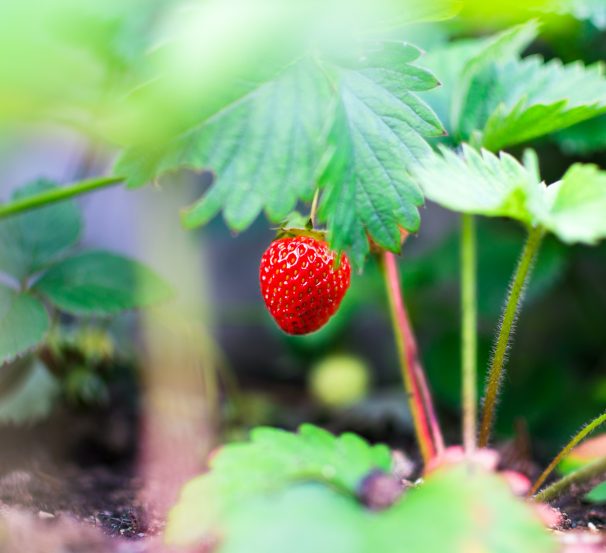
Crops such as strawberries, tomatoes and cucumbers need to be protected right up to harvest to ensure optimum quality and excellent productivity, while complying with authorized maximum residue limits. Biocontrol products can be perfectly integrated into treatment programs against foliage diseases, replacing or complementing conventional phytosanitary products.
Biostimulants, new recognized solutions
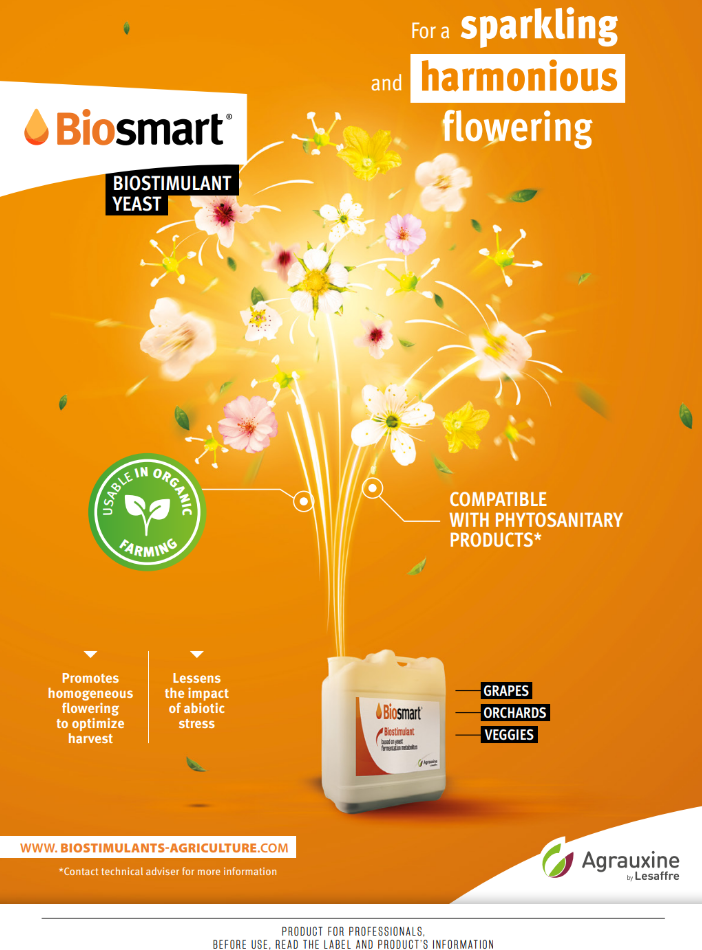
The action of biostimulants derived from micro-organisms offers a real advantage in the face of increased technicality of vegetable cultivation. Their direct interaction with the plant and soil can increase vegetable quality and harvest yields by acting on the plant's physiology.
The result is an improvement in a number of measurable parameters, such as the number of fruits, weight, size, post-harvest shelf-life, sugar content and sulfur content of certain fruits and vegetables.
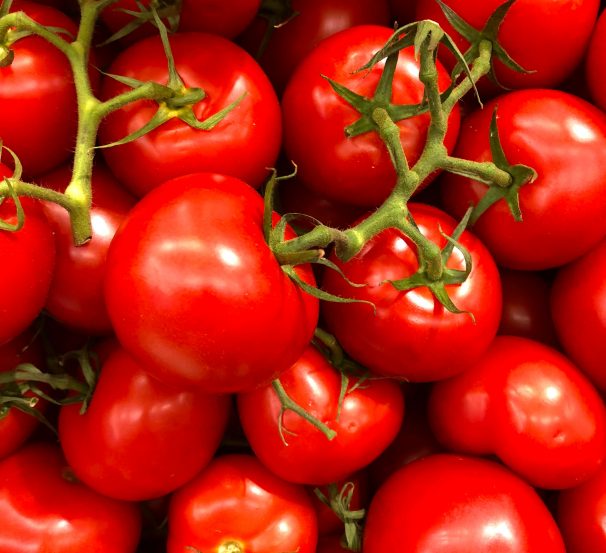




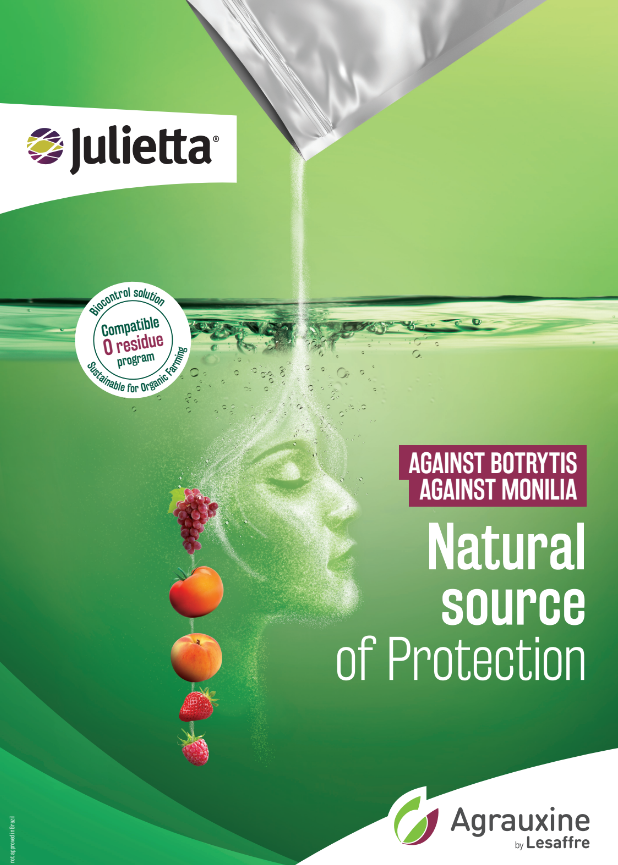
Biofungicide against botrytis on grapes, tomatoes, strawberries and moniliosis on stone fruit.
Discover